

The Future of Fire Curtains: Trends Shaping Safety and Sustainability in 2026
As building safety technology continues to evolve, fire curtains are emerging as one of the most important innovations for modern construction and facility design. Looking ahead to 2026, the global market for fire and smoke curtains is being transformed by a combination of sustainability goals, smarter automation, and stricter safety regulations. At Overhead Door Company of the Meadowlands & NYC, we’re seeing a growing shift toward performance-driven solutions that balance fire protection, energy efficiency, and long-term reliability.
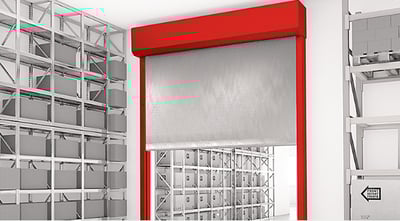
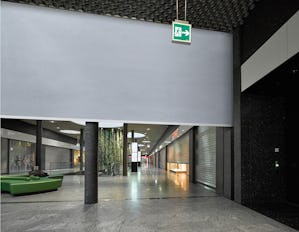 A modern fire curtain deployed in a commercial building, creates a protective barrier to contain smoke and flames and enhance occupant safety during a fire

In today’s commercial and industrial environments, fire barriers play a vital role in containing smoke and flames, protecting escape routes, and supporting compliance with building codes. However, their role is expanding beyond traditional fire safety. In the years ahead, the integration of Environmental, Social, and Governance (ESG) principles is set to redefine how these products are designed, manufactured, and used.
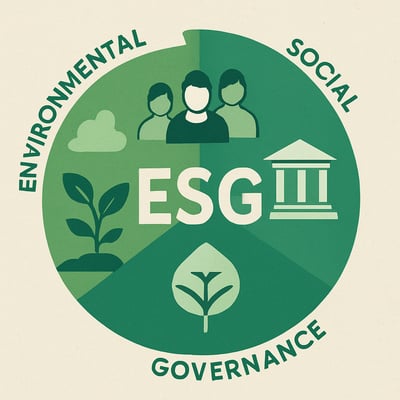
From an environmental perspective, manufacturers are adopting greener production methods and eco-friendly materials to reduce the overall carbon footprint of fire curtain systems. Non-toxic, recyclable fabrics and energy-efficient motors are becoming the new standard, reflecting the construction industry’s broader commitment to sustainability. As more building codes begin incorporating environmental requirements, companies that prioritize sustainable fire protection solutions will be better positioned to meet both safety and environmental benchmarks.
This shift is not only about compliance, it’s also about innovation. New fire and smoke curtain designs are being developed with improved thermal resistance, lighter materials, and advanced sealing systems that enhance both durability and energy performance. In large-scale buildings such as hospitals, schools, and commercial complexes, these innovations translate into safer environments, lower operational costs, and improved building efficiency.
From a social standpoint, the focus on safety and community well-being remains paramount. As urban development continues to rise, ensuring occupant safety during emergencies is critical. High-performance fire curtains offer reliable protection without compromising design flexibility, allowing architects and engineers to maintain open, modern spaces while meeting stringent fire codes. Manufacturers are also paying closer attention to accessibility and inclusivity, designing systems that work seamlessly across various building types and user needs.
Technological integration is another defining trend heading into 2026. The latest automated fire curtain systems are increasingly compatible with building management platforms, allowing for real-time monitoring, automatic deployment, and data-driven maintenance. This smart connectivity enhances both safety and operational efficiency, ensuring that fire protection systems perform reliably without manual intervention. For facilities managers and property owners, this means better oversight, fewer disruptions, and reduced long-term maintenance costs.

From a governance perspective, transparency and accountability are taking center stage. Companies are now expected to demonstrate ethical manufacturing practices, responsible sourcing, and traceability within their supply chains. These standards don’t just enhance reputation, they help ensure product quality and compliance with evolving local and international fire safety standards.
The North American market, including the New York City Metro Area and New Jersey, continues to lead in the adoption of high-quality fire and smoke curtain systems. With a strong emphasis on safety regulations, energy performance, and building modernization, this region exemplifies how innovation and compliance can go hand in hand. The ongoing transition toward sustainable and digitally integrated infrastructure makes the use of fire-resistant curtain barriers an increasingly attractive option for architects, developers, and facility owners alike.
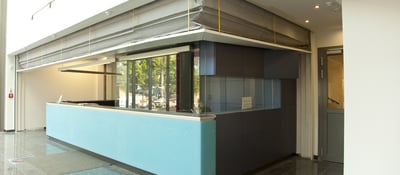
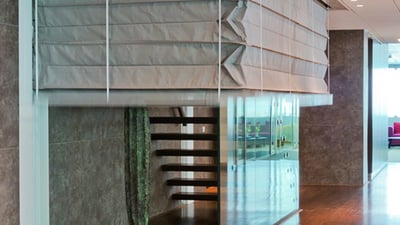
Modern fire and smoke curtain system installed in a commercial building
As 2026 begins, one thing is certain: fire curtains have evolved from passive safety measures into smart, sustainable, and indispensable elements of modern building design. The alignment of ESG priorities, technological advancement, and strengthened regulations is driving a safer, more efficient, and more responsible built environment.
At Overhead Door Company of the Meadowlands & NYC, we remain committed to providing commercial and industrial clients with the latest in fire and smoke curtain solutions. Whether you’re upgrading an existing facility or planning a new construction project, our team can help you choose a system that aligns with modern safety standards and long-term sustainability goals.
For expert guidance and professional installation, contact us today via email at info@loadingdock.com or dial 973-471-4060.